Direct Treatment
We operate four community health posts across the Temeke, Ilala, Kinondoni, and Ubungo districts, providing free diagnosis, medication, and follow-up care for malaria, HIV/AIDS, and tuberculosis patients.
We provide direct infection treatment, community health education, and evidence-based outreach to those most affected by malaria, HIV/AIDS, and tuberculosis in Dar es Salaam.
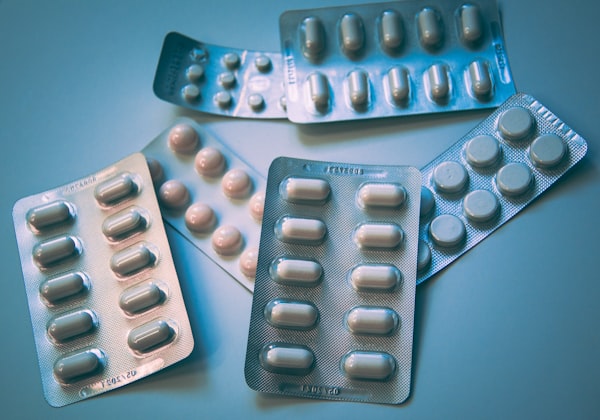
Tanzania faces a triple burden of infectious disease — malaria, HIV/AIDS, and tuberculosis — disproportionately affecting its urban poor. In Dar es Salaam, inadequate sanitation, overcrowding, and limited healthcare access create compounding risks.
Over 180,000 malaria cases reported annually in the city. Children under 5 are most vulnerable, accounting for 40% of fatalities.
Tanzania has 1.7M people living with HIV. Urban prevalence in Dar es Salaam sits at 8.2%, well above the national average of 4.7%.
TB kills more people in Tanzania than any other infectious disease. Multidrug-resistant TB is increasing at an alarming 6% annually.
Only 38% of residents in informal settlements have access to a public health facility within 5km, limiting early diagnosis and treatment.
We combine direct clinical care with community empowerment and rigorous data collection — because good intentions aren't enough; what matters is evidence.
We operate four community health posts across the Temeke, Ilala, Kinondoni, and Ubungo districts, providing free diagnosis, medication, and follow-up care for malaria, HIV/AIDS, and tuberculosis patients.
Prevention starts with knowledge. Our network of 80 community health educators runs weekly workshops on disease prevention, hygiene, nutrition, and early symptom recognition in Swahili and local dialects.
Proactive mobile clinics reach remote and underserved communities monthly. Our patient navigators help individuals access government health services, reducing dropout from treatment by 62% in our coverage areas.
We track every intervention because transparency isn't optional — it's how we earn your trust and continually improve the efficiency of your donation.
Since 2019 across all programs
Avg. across malaria, HIV & TB
Full treatment completion
Across 4 Dar es Salaam districts
We believe donors deserve to know exactly how their contributions are used. In line with Effective Altruism principles, we publish full financial reports annually.
A structured, repeatable process that ensures quality care from first contact to full recovery.
Community health workers map vulnerable populations through door-to-door surveys and mobile screening events.
Free rapid diagnostic testing at our health posts or mobile clinics provides results within 30 minutes.
Evidence-based treatment protocols aligned with WHO guidelines, with patient navigators ensuring adherence.
Monthly follow-up visits and a digital health record system track outcomes and flag patients at risk of dropout.
There are many ways to contribute — every action, every dollar, and every hour directly saves lives.
Join our network of community health workers, educators, logistics volunteers, or healthcare professionals. We offer training, mentorship, and a rewarding team experience in the field.
Apply to Volunteer$4.20 provides one full malaria treatment. $25 provides a month of HIV medication. Your donation is maximally effective — we track exactly where every dollar goes.
Donate TodayWe work with NGOs, government bodies, healthcare companies, and foundations to scale our programs. If your organization shares our mission, let's build something together.
Explore PartnershipI was diagnosed with malaria and couldn't afford the treatment. Daav's team came to our community, tested me for free, and gave me the medication. Within two weeks I was back at work.
The health education sessions changed how our whole community thinks about HIV. The stigma is decreasing and more people are getting tested. Daav made that possible.
We publish quarterly impact reports, annual audited financials, and real-time cost-per-outcome metrics on our open data dashboard.
 Ministry of Health Tanzania
 WHO Tanzania
 UNAIDS
 USAID
USAID
 GiveWell Charity
 Rotary International